
Energy efficiency is mentioned on product pages, labels and packaging, but the phrase is easy to misunderstand. It does not simply mean the product uses the fewest watts or has the lowest price. It describes how much useful work a product provides for the energy it uses.
Last reviewed: August 22, 2026. Energy labels, test standards, electricity prices and product specifications can change, so check current information before buying.
Energy efficiency means getting the same useful result with less energy. A more efficient product may provide the same light, cooling, heating, washing or computing performance while using less electricity, fuel or other energy. To compare products fairly, look at the correct measurement, compare similar sizes and outputs, and consider how you will use the product in real life.
Same useful result
Efficiency is about delivering the service you actually need, not simply reducing energy use at any cost.
Less energy input
The product needs less electricity, fuel or another energy source to provide that comparable result.
Right measurement
Different products use different metrics, such as watts, kWh, lumens per watt or seasonal ratings.
Real usage matters
Your hours of use, settings, size and electricity price affect the energy you actually consume.
What does energy efficiency mean?
Energy efficiency describes the relationship between a product’s useful output and the energy needed to produce it. In simple terms, a product is more energy efficient when it delivers the result you need using less energy.
The result depends on the product. For a light, the useful result is illumination. For a refrigerator, it is keeping food cold. For a washing machine, it is cleaning clothes. For a heat pump, it is heating or cooling a room.
The U.S. Department of Energy’s explanation of energy efficiency describes it as the energy service delivered compared with the energy used to deliver it. That is why the phrase is about more than a product’s power rating alone.
This does not mean every efficient product uses less energy in every situation. A larger product may deliver more output and use more total energy while still being efficient for the service it provides. Comparisons only make sense when the products are doing a similar job.
Energy efficiency is not the same as energy conservation
These ideas are connected, but they describe different changes.
| Concept | What changes? | Simple example |
|---|---|---|
| Energy efficiency | The product or process uses less energy for a comparable result. | Replacing an old light with an LED that provides similar brightness. |
| Energy conservation | You use less of the energy service or use it less often. | Turning the light off when nobody is using the room. |
| Lower total use | The final amount of energy consumed falls. | Using an efficient light for fewer hours each day. |
A more efficient television can still use a lot of energy if it is large, bright and left on for many hours. A less efficient product may use less total energy if it is used rarely. Efficiency describes the product’s performance. Total energy use also depends on your behaviour.
Does lower wattage mean better efficiency?
Not by itself. Watts measure the rate at which a product uses power while it is operating. They do not tell you how much useful output the product provides or how long it will run.
For example, a very dim 5 watt light may use less power than a 10 watt light, but that does not automatically make it more efficient. If the 10 watt light produces much more useful light, it may provide more illumination for each watt used.
Energy use over time is often shown in kilowatt-hours, or kWh. A product that uses more watts can still use less total energy if it runs for less time. The reverse is also true.
Why product size and output matter
Comparing products with different sizes or capacities can create a misleading result. A large refrigerator, television or washing machine may use more energy in total because it provides more space or output.
When comparing two products, try to match:
- Product type and intended use;
- Capacity, size or screen area;
- Expected performance or useful output;
- Test cycle, operating mode or climate conditions;
- Expected hours of use.
For a deeper explanation of comparing numbers fairly, see How to Compare Product Specifications and How to Compare Specifications That Actually Matter.
How is energy efficiency measured?
There is no single efficiency number that works for every product. The measurement depends on the service the product provides.
Lighting
Lighting can be compared using light output in lumens against power input in watts. More useful light for each watt indicates better efficiency.
Appliances
Fridges, televisions and washing machines may show estimated annual energy use in kWh under a standard test or assumed usage pattern.
Heating and cooling
Heat pumps and air conditioners can use seasonal or climate-related performance measures because conditions change across the year.
Vehicles
Vehicles may be compared using energy or fuel consumed over a distance, rather than the power used at one instant.
Some ratings are better when the number is higher. Other figures, such as annual kWh, are generally better when the number is lower for comparable products. Always check the name of the metric and its unit before deciding that a larger or smaller number is better.
How to read an energy rating label
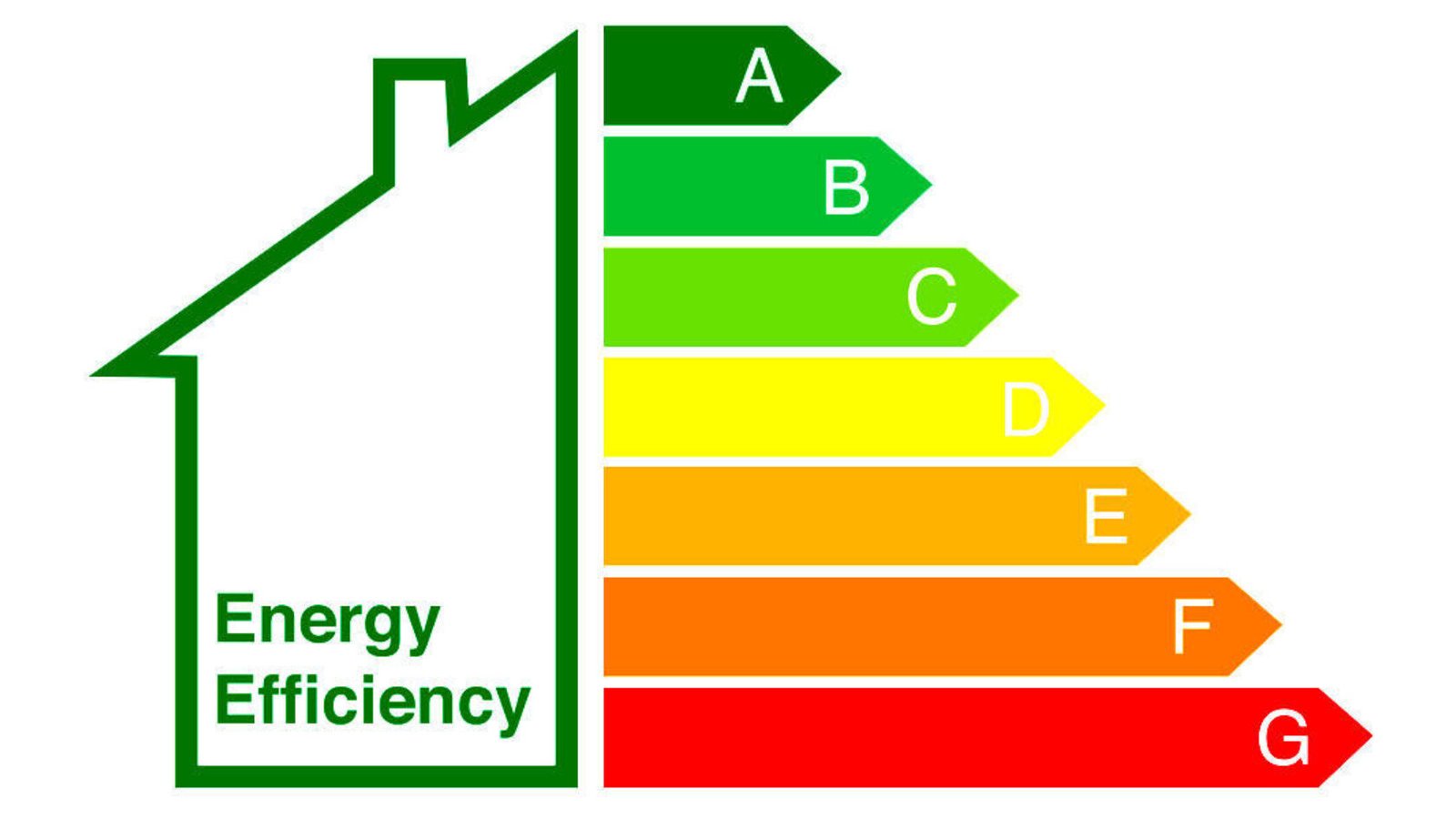
Energy rating labels are designed to make similar products easier to compare. In New Zealand, the regulated Energy Rating Label can include a star rating, annual energy consumption in kWh per year and information about the test standard. The figures are based on standardised testing and assumed usage, not on the exact way every household will use the product.
You can read the EECA guidance on Energy Rating Labels for the current New Zealand label system. Other countries use their own labels and test standards, so do not assume that a rating scale or label layout is identical everywhere.
Use this order when reading a label:
- Check the product category. A star rating is meaningful when the products are similar.
- Check the size or capacity. A larger product may naturally use more energy.
- Look at the rating. This helps show relative performance within the relevant product group.
- Look at annual kWh. This gives a more direct view of estimated energy use.
- Read the assumptions. Test cycles, hours of use and climate conditions can affect the estimate.
- Apply your own usage. Your actual result may be higher or lower than the label estimate.
Does energy efficiency always mean lower energy bills?
No. Energy efficiency can reduce the energy needed for a specific task, but your actual bill depends on more than the product’s rating.
Your running cost can also change with:
- How often you use the product;
- How long each use lasts;
- The product’s size and settings;
- Your electricity, gas or fuel price;
- Maintenance and operating condition;
- Energy used while the product appears to be off.
That last point is called standby power. It is one part of the wider energy picture, but it deserves its own explanation in What Is Standby Power?
If you are comparing the full financial impact of a product, also read What Is Total Cost of Ownership? Energy use can be one part of ownership cost, alongside the purchase price, maintenance, repairs, subscriptions and eventual replacement.
Simple product examples
These examples show why the useful output matters when judging efficiency.
An LED light
The useful service is illumination. A better comparison asks how much light the bulb provides for the power it uses, not just which bulb has the lowest wattage.
A refrigerator
The useful service is keeping food cold. Capacity, temperature settings, room conditions and time spent running all affect the practical energy result.
A television
The useful service is displaying content. Screen size, brightness, viewing mode, hours of use and standby behaviour can all affect total energy consumption.
A heat pump
The useful service is heating or cooling a space. Climate, room size, insulation, temperature settings and seasonal performance all matter alongside the rating.
How to compare energy efficiency before buying
Use energy efficiency as one part of the buying decision. The following process keeps the comparison practical:
For the wider comparison process, use How to Compare Products Online. For a more detailed cost estimate, continue with How to Calculate the Real Cost of Owning a Product.
What energy efficiency does not tell you
An energy rating is useful information, but it does not describe every part of a product.
Energy efficiency alone does not tell you whether the product:
- Will last longer;
- Will perform better in every situation;
- Will be quieter or easier to use;
- Will be easier to repair;
- Has better warranty or support;
- Is the right size for your home;
- Will have the lowest total cost for your usage.
It is one useful measurement, not a complete product verdict. If two products have similar energy use, other factors such as fit, reliability, repair access and warranty may matter more.
Do not ask only which product uses the least energy. Ask which product gives you the result you need with the least energy, at an acceptable price and under realistic conditions.
Frequently asked questions
What is energy efficiency in simple terms?
Energy efficiency means providing the same useful result with less energy. The result could be light, cooling, heating, washing, transport or another service.
Is energy efficiency the same as energy conservation?
No. Efficiency usually means using less energy for a comparable result. Conservation usually means using less of the service, such as turning off a light or using an appliance less often.
Does lower wattage mean better energy efficiency?
Not necessarily. Watts show power use at a point in time, but efficiency also depends on the useful output. A lower-power product may provide less light, heat, cooling or performance.
Does a higher star rating always mean lower energy bills?
No. A higher rating can indicate better efficiency among comparable products, but your bill also depends on size, usage time, settings, energy prices and standby use.
What does kWh mean on an energy label?
kWh means kilowatt-hours. It measures energy used over time. An annual kWh figure is usually an estimate based on a standard test or assumed usage pattern.
Why do different products use different efficiency ratings?
Products provide different services, so the useful output is measured differently. Lighting, refrigeration, heating and transport need different metrics to describe their performance.
Can a larger product still be energy efficient?
Yes. A larger product may use more energy because it provides more capacity or output. Compare it with products of a similar size and intended use before judging its efficiency.
Is an energy-efficient product worth the higher price?
It can be, especially when you use the product often and the lower energy use matters over several years. Compare the price difference, expected usage and wider ownership cost before deciding.
Does standby power affect energy efficiency?
Standby power affects total energy use while a product is not performing its main task. It is related to the wider energy picture, but it is a separate concept explained in What Is Standby Power?
Should I replace an old product with a more efficient one?
Not automatically. Compare the expected energy savings with the purchase price, remaining useful life, repair options and disposal cost. Replacing a working product only makes sense when the wider benefits justify it.